Blog

Read more about the diverse ecosystems of support in the health and social care sector through our blog posts. To provide deeper insight, we have established a dedicated platform where our multidisciplinary team of specialists share their first-hand experiences working with the people they support. As part of this initiative, the ‘In the Heart of Care’ blog series serves as a primary resource, offering a closer look at their proactive approach and personalised tools designed to encourage people’s journeys forward. 

Celebrating Our People’s Achievements at the Care and Support West Awards

Part of our team attended the Care and Support West Awards, held in Birmingham, to celebrate our finalists for their

Preventing Self-Injurious Behaviour in Autism

Understanding the complexities of self-injurious behaviour is crucial in showing compassion and support. How can we bridge the gap between

Borderline Personality Disorder (BPD) vs Autism

Frequent mood swings, emotional dysregulation, and intense emotional outbursts... are these the signs of borderline personality disorder (BPD) or autism

The Link Between Eating Disorders and Other Health Challenges

Did you know that many people who struggle with an eating disorder often experience a co-occurring mental health challenge such
autistic kids wearing superhero costumes

Celebrating Neurodiversity: Powers and Strengths of Autism

Did you know that many of the world's revolutionary breakthroughs were invented by individuals on the autism spectrum? Just like

Proactive Approaches to Prevent Challenging Behaviour in Children

Challenging behaviour refers to patterns of conduct that often make daily interactions or situations challenging for the child and the

Impact of Challenging Behaviour on Others

Challenging behaviours pose safety risks to individuals and the people around them. However, it's crucial to recognise that challenging behaviours
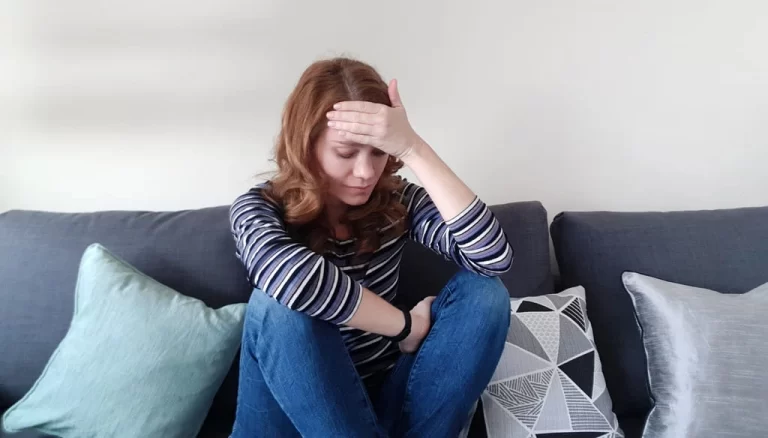
woman experiencing autistic burnout

Autistic Burnout: Symptoms, Causes and Prevention

Autistic burnout can be a significant worry for individuals on the autism spectrum and their families or caregivers. Autistic burnout

Global Developmental Delay vs Autism

Global developmental delay (GDD) refers to a child's delays in achieving developmental milestones. Autism Spectrum Disorder (ASD), in contrast, is

Benefits of Live-in Care for Dementia

In the complex journey of dementia, personalised and compassionate care can profoundly impact well-being. Live-in care for dementia provides comfort

BPD Splitting: Symptoms and Causes

How often do you see things completely positive or negative, only to change your mind in a few moments or

Nature Deficit Disorder: The Importance of Outdoors for Mental Well-being

Nature deficit disorder, a term introduced by author Richard Louv, highlights the alarming trend of modern society's disconnection from the

Trauma-Informed Practice: The Stories We Write About People and How They Shape Their Recovery

George has built an impressive career as a specialist clinical practitioner, practice lead and trainer, focusing on managing and reducing high-risk behaviours of concern -including self-injury, self-harm and aggression to others. Through collaborative efforts with the therapy team, services, and across the organisation, Georgina has developed her role at Catalyst, finding ways to promote best practices in reducing restrictions and positive approaches to risk-taking. She shares real-life examples of how reducing restrictive practices is recognised as essential for improving well-being and quality of life and as an evidence-based approach to reducing behaviour of concern....

Specialist’s Corner: How Multimedia Is Transforming Support for People with Learning Disabilities and Autism

At Leaf Complex Care, multimedia is being used in powerful, personalised ways to enhance the lives of people with learning disabilities and autism. We spoke to Ben Andrew, PBS Coach and specialist in multimedia advocacy, about how these creative tools are shaping the future of support....

Key Factors in Adequately Assessing and Evaluating Autistic People

With varied experiences across different spheres and career paths, Ophelia was introduced to the field of occupational therapy by another occupational therapist. With her intuitive nature and a deep desire to support others, she found opportunities to volunteer in various occupational therapy services, gaining insight into the field's vast scope. She realised that this was her true vocation, enabling her to build a career aligning with her skillset while supporting people when they need it most. Join us as we explore Ophelia’s role and approach to therapy, grounded in evidence and driven by compassion....

How Intensive Interaction Helps Build Connections

Jodee’s career beginnings were in teaching and education, but her path shifted toward care when her passion for speech and language therapy was sparked by her eldest son, who is autistic. Jodee, who also is also autistic, found that her mental health needs made her previous work challenging, as the support she required was often lacking. Joining Catalyst Care Group became the turning point she needed—a place where people are truly recognised and valued for who they are. In the opening article, Jodee shares valuable insights into reframing how we communicate with the neurodivergent people we support, explaining how she brings this approach to life....

The Holistic Model of Occupational Therapy

With varied experiences across different spheres and career paths, Ophelia was introduced to the field of occupational therapy by another occupational therapist. With her intuitive nature and a deep desire to support others, she found opportunities to volunteer in various occupational therapy services, gaining insight into the field's vast scope. She realised that this was her true vocation, enabling her to build a career aligning with her skillset while supporting people when they need it most. Join us as we explore Ophelia’s role and approach to therapy, grounded in evidence and driven by compassion....

Building Better Care: The Journey Towards Least-Restrictive Practices

George has built an impressive career as a specialist clinical practitioner, practice lead and trainer, focusing on managing and reducing high-risk behaviours of concern -including self-injury, self-harm and aggression to others. Through collaborative efforts with the therapy team, services, and across the organisation, Georgina has developed her role at Catalyst, finding ways to promote best practices in reducing restrictions and positive approaches to risk-taking. She shares real-life examples of how reducing restrictive practices is recognised as essential for improving well-being and quality of life and as an evidence-based approach to reducing behaviour of concern....

Getting the Right Support in Place: Communication Care Plans That Work

Jodee leads the Communication Care Planning training for all care coordinators within our organisation. The training is aimed primarily at care coordinators because many are responsible for developing people’s care plans and ensuring their implementation by the support workers. Care coordinators play an essential role in maintaining the smooth running of the services, acting as mediators between the people we support and their care team. Their role involves ensuring that everyone feels supported in their responsibilities for meeting the needs of the people in our care....

The Language of Difference: Understanding Autistic Communication Differences

Jodee’s career beginnings were in teaching and education, but her path shifted toward care when her passion for speech and language therapy was sparked by her eldest son, who is autistic. Jodee, who also is also autistic, found that her mental health needs made her previous work challenging, as the support she required was often lacking. Joining Catalyst Care Group became the turning point she needed—a place where people are truly recognised and valued for who they are. In the opening article, Jodee shares valuable insights into reframing how we communicate with the neurodivergent people we support, explaining how she brings this approach to life....

Call us if you know someone with complex care needs that are a risk to themselves or others or have noticed rapidly escalating behaviours.