
Overview
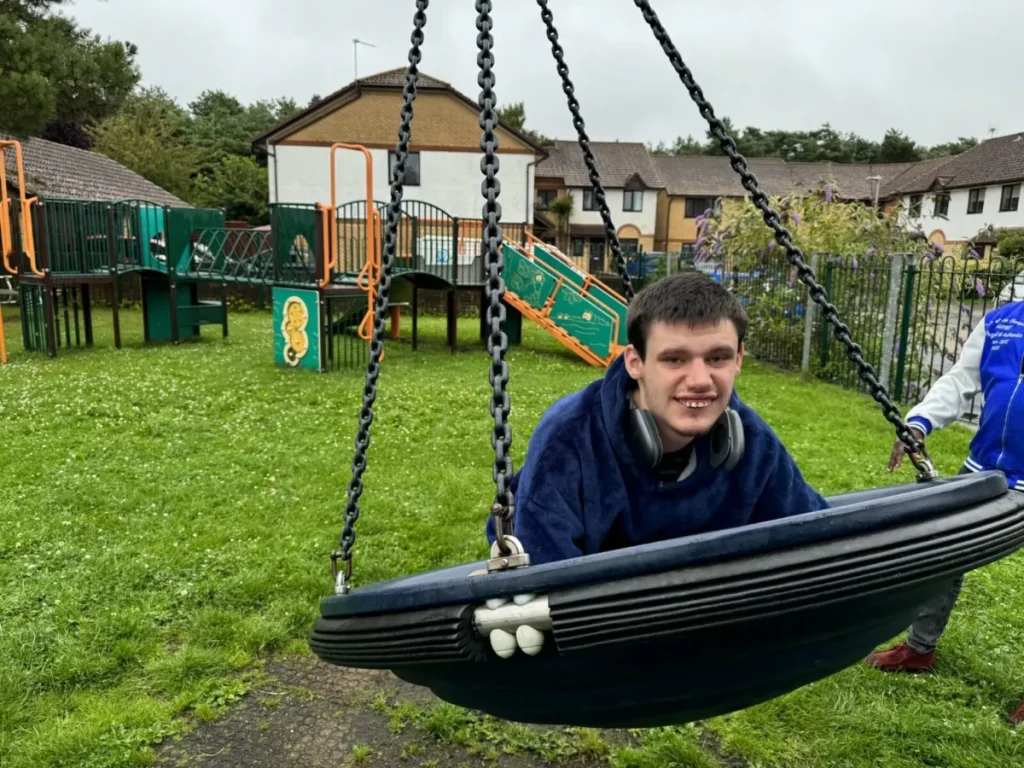
Mitch is a young man who loves swimming, visiting parks, and spending quality time with his family. He’s also autistic, lives with a learning disability and cerebral palsy, and experiences behaviours of concern.
Leaf Complex Care has supported Mitch for over three years. Alongside his mother, we co-created a robust, person-centred care plan to ensure Mitch’s unique needs and preferences are at the heart of the support. Our care team provided consistent transitional support, and his mother has been a pillar of encouragement throughout his journey. Mitch now lives in his own home with two support workers and enjoys greater independence and autonomy.
Mitch’s care journey shows how humanised care can support meaningful, positive change.

Mitch’s Journey
When he was younger, Mitch underwent Grice subtalar fusion surgery on his ankles, impacting his mobility. In addition, Mitch communicates differently and often expresses himself through behaviours of concern. Talking about his actions has been particularly challenging for Mitch, as these discussions often caused him distress and left him feeling upset.
We started supporting Mitch three years ago. The initial assessment was comprehensive, involving a home visit to evaluate his well-being, living environment and the behaviours he experiences. This process included many discussions with other care professionals and his mother. Our in-house multidisciplinary therapy team and Positive Behaviour Support (PBS) specialist played a pivotal role. They co-created a personalised care plan alongside his mother that addressed the underlying factors contributing to Mitch’s behaviours of concern while carefully considering his needs and desires. They spent valuable time with Mitch, helping him feel more confident in our support.
Mitch has built a strong connection with his support workers, who help him with his day-to-day needs. Utilising their first-hand experience with Mitch, we ensure that support is always tailored to his needs. This personalised approach is also reflected in the PBS care plan and risk assessment documentation.
Facing the Challenges
Understanding his challenges, we wanted to create a safe and supportive environment for Mitch. From the beginning, our goal was to teach Mitch skills to help him manage his behavioural challenges and improve his quality of life, with daily support from his dedicated support workers. We aimed to help him feel empowered and focus on his strengths.
When we started supporting Mitch, we knew about the challenges he experienced with taking medication for constipation. The team adopted a holistic approach to improve his diet by preparing nutritious, healthy meals rather than resorting to additional medication. As a result, Mitch no longer uses the medication, and his well-being has significantly improved.
The Impact of Meeting Mitch’s Needs
His support workers act as his voice during team meetings and provide regular weekly access to the care team, with an on-call system. Mitch’s mother also plays an important role, as she lives nearby and spends significant time with him. She regularly communicates with Alex, the care coordinator, and the rest of the care team, where her views are respected and heard. Regular meetings with the commissioning team further help to ensure that Mitch’s support remains effective and aligned with his evolving needs.
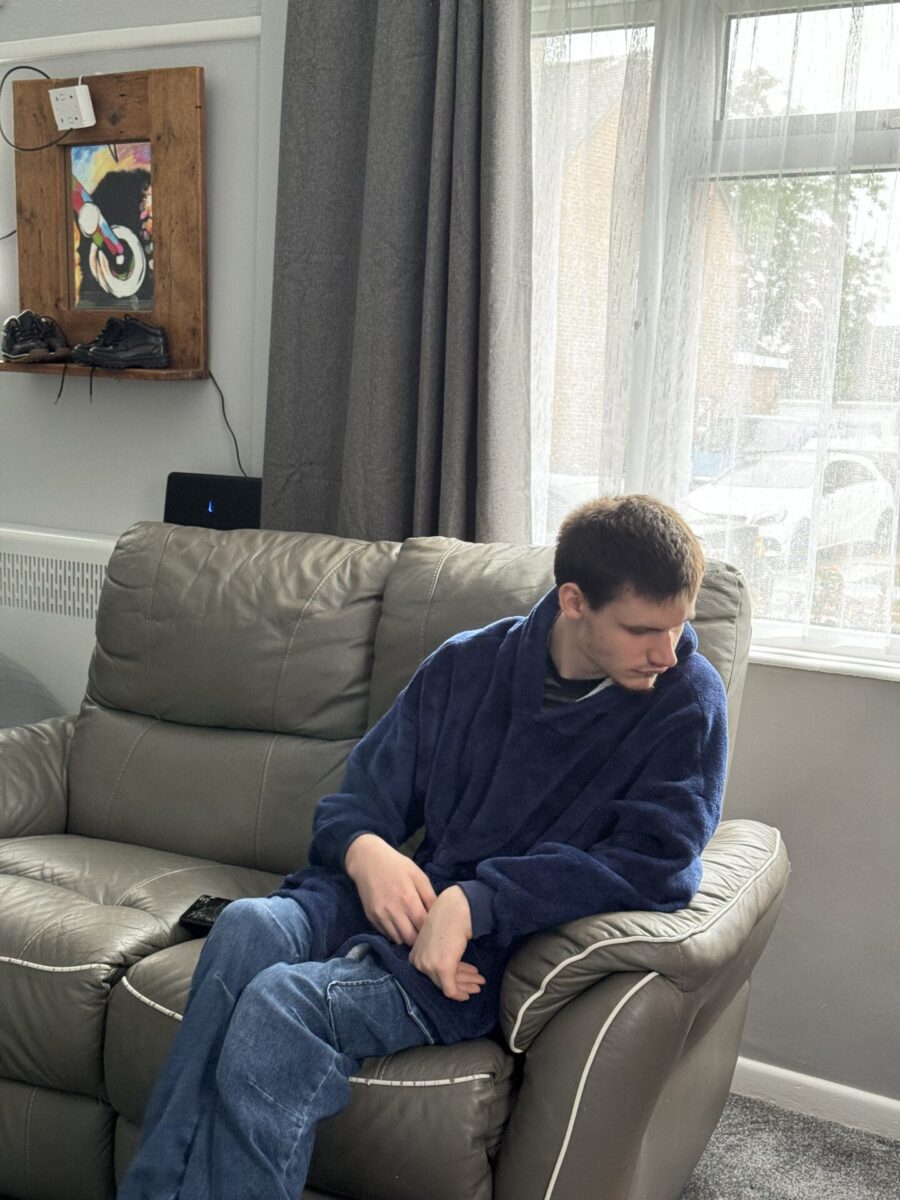
Mitch is in a much better place—happier, more settled, and content with his life. He has developed strong bonds with his support workers, who have remained consistent over time. He now spends one day a week with his mother and the rest with the support workers. Mitch’s days are filled with meaningful, diverse activities, including visits to new places and fun daily experiences.
How Positive Risk-Taking Transformed Mitch’s Daily Routine
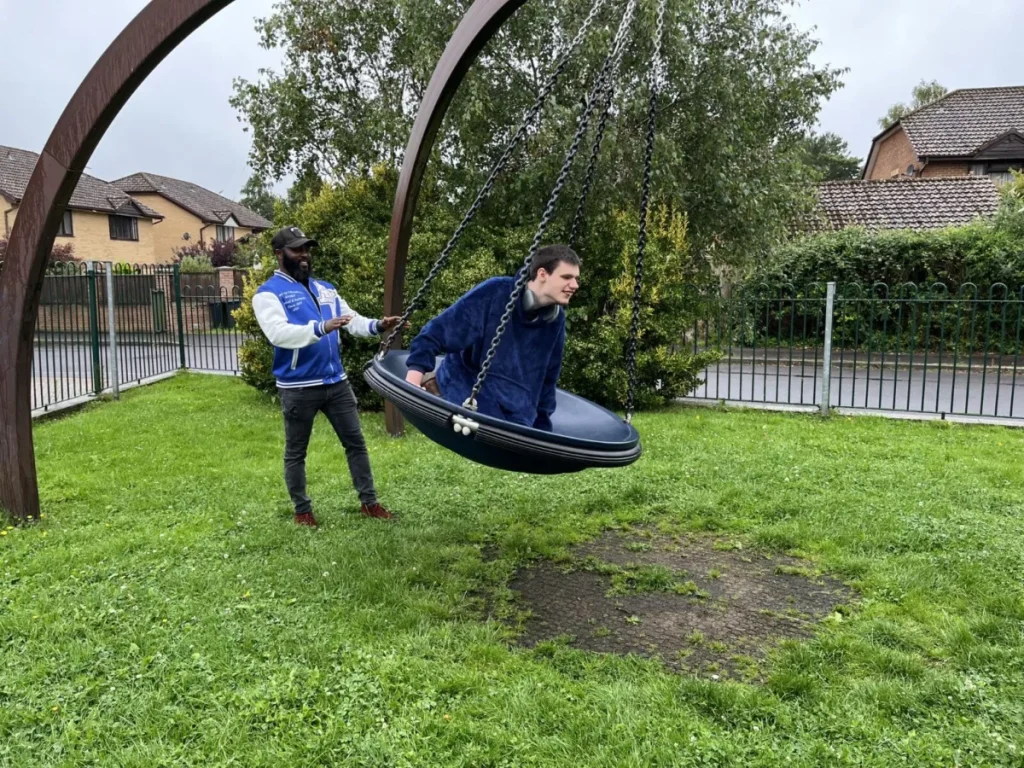
Positive risk-taking is often essential when supporting people who require complex care and is part of a good quality of life. With Mitch, we took positive risks at key moments. To keep him safe during outings, the team conducts risk assessments. These assessments help the team weigh the benefits of these experiences against any potential risks to ensure Mitch can enjoy these activities safely.
One example of positive risk-taking involved his love of trains. During the five-day transition period from his previous provider, we were told Mitch loved watching trains. Typically, he’d sit in the car near the station and watch them. But his support workers thought, if he loves trains so much, why don’t we go on a train? They discussed the risks with their colleagues, created a plan to support him and asked Mitch how he felt about going on a train. His positive answer brought a smile to everyone’s face. He was immediately excited and eager for the journey. One advantage was that he also enjoyed escalators and lifts, so navigating the station helped him stay calm. He had a great time, and the outing was successful.
Another example of positive risk-taking involved Mitch’s bathing routine. The care plan from previous providers specified that Mitch should bathe twice a week. However, his support workers aimed to improve his quality of life by supporting self-care and personal hygiene. After consulting with the care team, Mitch, and his mother, they decided to create a routine. Mitch now bathes every morning, finding the daily experience both calming and settling.
Mitch’s support workers introduced him to new experiences while respecting his pace. For instance, they encouraged Mitch to try swimming, an activity he had never done before. Despite the risks, the team believed that the benefits of swimming, such as physical exercise and enjoyment, outweighed the potential dangers. They ensured Mitch’s safety by always providing him with a life jacket and having a support worker accompany him in the water. Now, Mitch loves swimming and is eager to try new activities.
‘’So, there’s plenty of positive risk-taking from the conditions with Mitchell on a day-to-day basis. I think the most relevant example of that is the frequency of community access he does. They’re constantly going to new places. I mean he has access cards to places such as Monkey World and is constantly out, you know, venturing to new places, taking those positive risks, doing, you know, dynamic risk assessments as the staff are going and preparing before. But yeah, it’s just really serving to improve the quality of his life.’’ – says the Assistant Manager at Leaf Complex Care, Bristol
Mitch embraced positive risk-taking, enjoying new experiences and fun activities with the support of his dedicated care team.
How the Right Support Enables Positive Outcomes
Mitch now has opportunities to make his own choices and live with enhanced autonomy, which has been crucial to his overall well-being. Over time, Mitch developed a strong bond with his support workers. The team consistently respects his decisions and offers him choices, further deepening his trust. Although Mitch communicates differently, his team ensures his feelings and preferences are always heard.
When his PBS plan was due for review, his support workers collaborated with the in-house multidisciplinary therapy team. They updated his PBS plan with Mitch’s mother to meet his evolving needs. This close collaboration was vital in reducing his behaviours of concern and maintaining a consistent approach to his care.
Last year, Mitch achieved a significant milestone. He transitioned from shared accommodation to his own home, where he now lives with his two support workers. His previous living environment wasn’t suitable for his specific needs, which caused increased behaviours of concern. These behaviours have significantly decreased since he moved to his own space, and Mitch is much more comfortable. The team aimed to make his transition as smooth as possible and even volunteered their time to decorate and prepare his new home, helping him feel safe and secure.
Mitch now responds positively to guidance. If he is engaged in something unbeneficial, a gentle prompt helps him reconsider his choices and cooperate. This marks a significant improvement from the past when such attempts would often upset him, reflecting his improved well-being.
With person-centred support, Mitch now lives a fulfilling life, and we are grateful to support him in his journey.