
Why Focusing with ADHD Feels so Hard?
Maintaining focus with attention deficit hyperactivity disorder (ADHD) can be very hard because it’s a nerulogical challenge, not a behavioural one. The brain systems that control attention, motivation, and task management don’t operate smoothly or consistently. ADHD brains develop differently and operate with an interest-based nervous system, which creates dificulty on sustaining attention on tasks that don’t feel personally stimulating or rewarding.
👉 ADHD is not about having no attention
👉 It’s about not being able to control where attention goes
The Role of Dopamine and Stimulation in ADHD Focus
The brain’s messenger, dopamine, as a neurotransmitter that regulates motivation, reward, and attention. In people with ADHD, dopamine activity is often lower and less stable than in neurotypical brains, making it harder to engage with tasks that are not immediately stimulating or rewarding. Therefore, in people with ADHD, the brain’s reward system works differently.
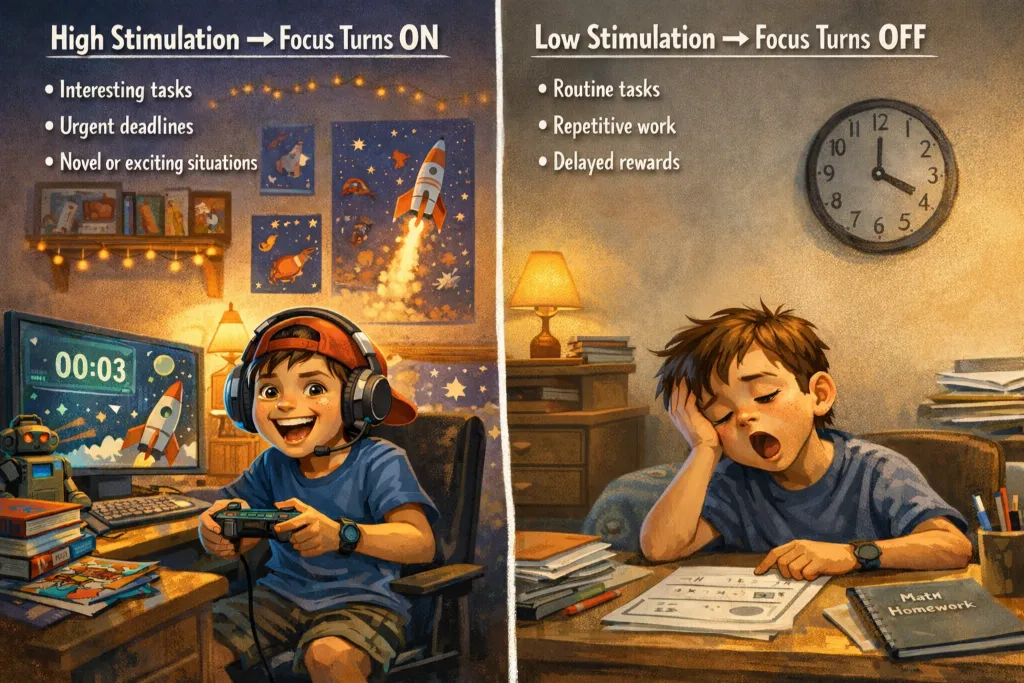
This neurochemical difference creates what is sometimes called an “interest-based nervous system.” The ADHD brain naturally seeks stimulation to trigger focus. Tasks that are engaging, novel, or urgent can create enough dopamine to allow intense concentration, a phenomenon often referred to as hyperfocus. Routine or low-interest tasks fail to generate sufficient dopamine, making it nearly impossible to summon attention. This explains why people or children with ADHD may spend hours absorbed in a hobby but struggle to begin simple everyday tasks.
What is Hyperfocus?
Hyperfocus, one of the lesser-known yet common ADHD symptoms, is the ability to become deeply absorbed in activities or hobbies that can last for hours and exclude all other tasks, even the surrounding environment. While considered incredibly productive and rewarding, hyperfocus can consume a person’s daily life to the point of losing control in time management, leading to neglect of basic needs and responsibilities. Hyperfocus, driven by a strong interest in hobbies or activities that a child or adult with ADHD truly loves, is the exact opposite of distractibility.
Hyperfocus occurs because the ADHD brain is highly sensitive to dopamine and stimulation. When a task triggers enough interest or excitement, dopamine levels rise, allowing the person to concentrate deeply for long periods. This can be incredibly productive, but it is usually task-dependent, meaning hyperfocus only occurs on activities the brain finds compelling. Routine or low-interest tasks rarely trigger it.
Why are Boring and Complex Tasks the Hardest?
Boring and complex tasks are the hardest for people with ADHD because of the way dopamine and executive function interact in the brain. In other words, the ADHD brain is driven by an interest-based nervous system, rather than a priority-based one.
From an ADHD online forum, one user shared:
“I can spend six hours coding without noticing time passing, but when it comes to doing my laundry or replying to emails, I literally can’t start. It’s like my brain has two modes: complete absorption in what I love, or total shutdown on boring stuff. It’s exhausting and confusing because people see me as capable, but I feel like I’m fighting my own brain.”
Low stimulation makes it difficult to focus, and ADHD brains require sufficient stimulation to engage attention and maintain focus. Boring tasks provide little natural reward or novelty, and dopamine levels remain low. Without sufficient dopamine, the brain struggles to “switch on” focus.
Setting up an ADHD‑friendly Environment
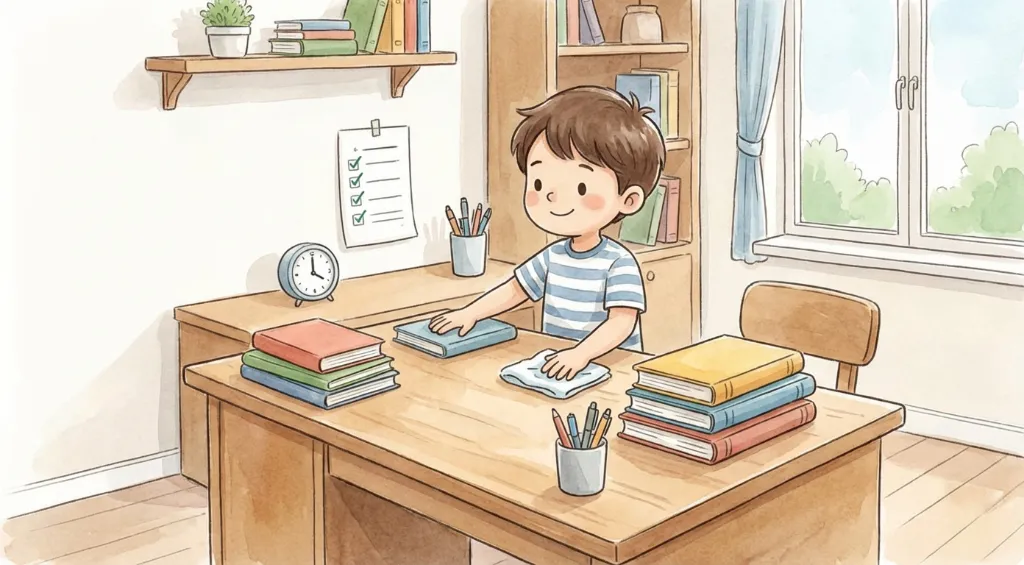
Setting up an ADHD‑friendly environment is about reducing distractions, supporting focus, and creating a structure that aligns with how ADHD brains naturally work. ADHD brains are easily pulled away by external stimuli. To help focus: clear clutter from workspaces, use noise-reducing headphones, or calming background sounds and limit digital distractions (notifications, social media)
ADHD brains are highly sensitive to visual stimuli. Clutter can feel overwhelming and make it hard to start tasks. A clean space reduces the “attention drain” and helps the brain focus on what matters. What can you do to improve this?
- Keep desks and work areas clear and organised
- Use colour-coded storage
- Store unnecessary items out of sight
- Add visual reminders
- Regularly tidy and simplify your space to maintain calm.
External sounds can pull attention away instantly. To manage this:
- Use noise-cancelling headphones or white noise machines
- Keep windows or doors closed to limit outside sounds
- Consider calm music or ambient sounds that are not distracting.
Reducing digital interruptions prevents the brain from constantly switching attention. Notifications, social media, and pop-ups are highly stimulating and can derail focus:
- Switch off unnecessary notifications on phones and computers
- Use apps or browser extensions to limit social media use
- Keep non-essential devices out of reach during focused work
Time Blocking and Focus Methods
Time blocking and focus methods can be powerful tools for adults with ADHD, helping them better manage symptoms that often create challenges in everyday life. Difficulties with attention, task initiation, and organisation can make it easy to become overwhelmed or pulled into unnecessary distractions, especially when tasks feel unstructured or unengaging. By introducing clear time boundaries, breaking work into manageable blocks, and using simple techniques to guide attention, individuals with adult ADHD can create a more predictable rhythm to their day.
Micro‑tasks and the “Five‑minute Rule”
Micro-tasks involve breaking larger tasks into very small, manageable steps. For people with ADHD, large projects can feel overwhelming and impossible to start because of executive functioning challenges. By focusing on a tiny first step, the task suddenly feels achievable.
The “Five-Minute Rule” is a practical extension: you commit to working on a task for just five minutes. This short, low-pressure commitment tricks the brain into starting. Often, once those five minutes are up, momentum carries you forward, and you continue working. This method works because ADHD brains struggle with task initiation, not effort, so removing the psychological barrier to start is more effective than forcing long work sessions.
Example: Instead of “clean the entire kitchen,” the first micro-task might be “clear the countertops for five minutes.” Once started, the rest often follows naturally.
The Pomodoro Technique
The Pomodoro Technique is a structured time management method designed to sustain focus by alternating work and break periods. Typically, it involves 25 minutes of focused work followed by a 5-minute break, repeated in cycles. After four cycles, you take a longer break (15–30 minutes).
For ADHD, this works exceptionally well because:
- It aligns with natural attention bursts, matching the brain’s capacity for sustained focus
- Frequent breaks provide needed dopamine boosts and prevent mental fatigue
- Knowing a break is coming reduces stress levels
Using Pomodoro timers gives ADHD brains a clear structure and creates a sense of urgency without overwhelming pressure. It’s particularly effective for tedious or complex tasks that otherwise feel unmanageable. This structure not only reduces overwhelm but also supports feeling motivated, as tasks become more achievable and progress feels visible and rewarding.
Can Timers Help with ADHD attention span?
Yes, timers are one of the simplest and most powerful ADHD tools. They provide external structure for internal executive function challenges. ADHD brains often struggle to perceive time accurately (time blindness), which makes it hard to know how long to work on a task or when to stop.
Timers serve multiple functions:
- Create urgency to initiate a task
- Define clear endpoints to prevent hyperfocus from becoming exhausting
- Break long tasks into measurable intervals, improving motivation
Examples include kitchen timers, phone apps, or digital Pomodoro timers. For ADHD, having a visual or auditory cue often works better than trying to self-monitor time internally.
Structure, Routines and Planning Tools
Structure, routines, and planning tools form the foundation of intentional ADHD support, helping to bring clarity and direction to everyday life. When attention, organisation, and time management feel inconsistent, having simple systems in place can make tasks more manageable and less overwhelming.
Building Simple Daily Routines
Rather than rigid schedules, many with ADHD prefer low‑pressure daily routines with flexible blocks rather than strict timing. ADHD adults share that keeping the day simple, focusing on one key daily task, or breaking routines into small steps, reduces overwhelm and creates sustainable habits.
- Low-pressure, flexible routines work best for ADHD.
- Use routine builders or worksheets (often available as PDFs on ADHD resource sites) to structure realistic daily steps.
- Focus on one or two key tasks per day rather than trying to fill every hour.
- Include consistent start and end-of-day rituals to cue the brain when it’s time to focus or relax.
- Combine with external cues, such as alarms, visual reminders, or environmental anchors, to reduce executive function load.
- Routines should be adaptable rather than rigid, allowing for fluctuations in energy and attention patterns.
Use Planners, To‑Do Lists and Visual Tools
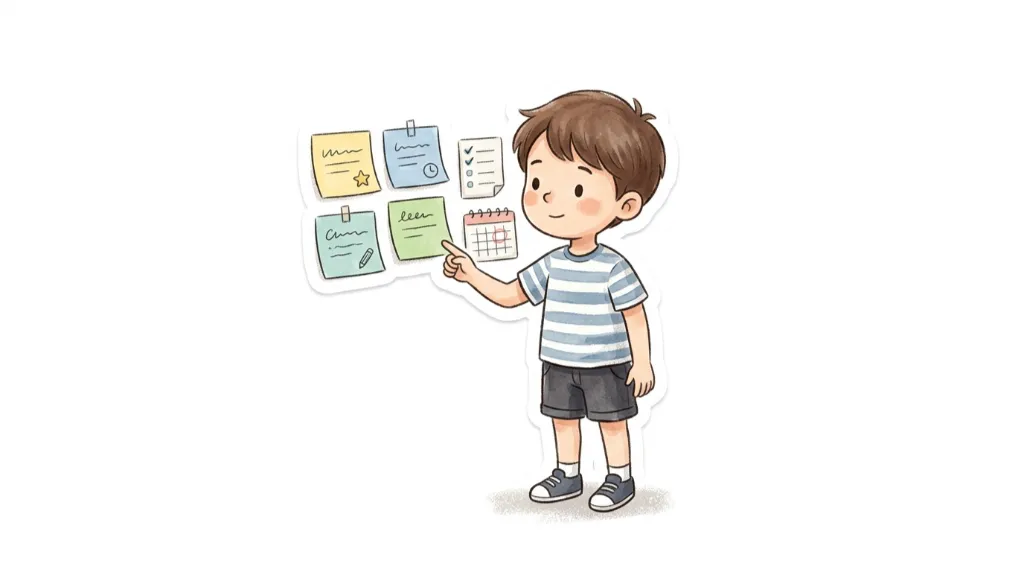
Visual and structured planners are repeatedly recommended because they make time and tasks visible rather than relying on internal memory. We encourage the use of visual schedules, colour‑coded folders, whiteboards, sticky notes, and wall planners to reduce overwhelm, support planning, stay focused, and minimise distractions. These help people see tasks at a glance and lower the barrier to starting them by externalising memory and priorities rather than keeping everything in their heads.
What you benefit from:
- Visual planners and wall calendars make time and tasks visible, helping the brain see priorities at a glance.
- Sticky notes, whiteboards, colour-coded folders and undated planners reduce overwhelm and allow flexible use.
- To-do lists broken into micro-tasks make complex projects manageable.
- Digital tools and apps with reminders, notifications, and habit tracking are widely used to supplement physical planners.
- People with ADHD report hybrid systems, combining paper planners, digital tools, and physical cues as the most sustainable.
- Emphasise simplicity and forgiving design, so missing a day doesn’t disrupt the whole system.
Prioritising One Thing at a Time
For many people with ADHD, juggling multiple tasks at once can feel overwhelming and exhausting, making it hard to stay focused or improve focus when managing both overwhelming tasks and important tasks. The brain’s executive functions often struggle to manage more than one task simultaneously. Focusing on one task at a time simplifies decision-making and reduces cognitive load. By breaking larger projects into micro-tasks or using techniques like the Five-Minute Rule or Pomodoro cycles, ADHD brains can build momentum, maintain attention, and feel a sense of progress without becoming overloaded.
- Focus your attention on urgent or interest-driven tasks first to maximise dopamine and motivation.
- Avoid overloading to-do lists to keep priorities clear and prevent overwhelm.
Regular Movement and Exercise
Physical activity and movement help the brain release dopamine and norepinephrine, chemicals that regulate attention, motivation, and mood. Incorporating short bursts of exercise or stretching during the day can improve concentration, reduce restlessness, and make task engagement easier. Many people with ADHD find that pairing focused work sessions with movement breaks, for example, a quick walk, stretching, or even jumping jacks, enhances energy levels and resets attention.
You can focus on:
- Physical activity as a consistently recommended as an ADHD-friendly strategy.
- Exercise
- Short breaks for movement, stretching, or walking during work sessions can reset focus.
- Incorporating activity into daily routines, e.g., morning exercise, walking between tasks, or mini-break stretches.
Important: Combine timed work blocks with movement breaks to sustain attention and prevent fatigue.
Mindfulness and Emotional Regulation
Mindfulness helps you to notice your thoughts and emotions without judgment, gently bringing attention back when it wanders. For people with ADHD, the brain’s natural pattern is to jump between stimuli, and that’s not a flaw, but it points to how the ADHD brain is wired. Mindfulness helps build awareness of these patterns so you can choose where to direct your attention, rather than reacting impulsively or getting carried away by distraction.
Lived experience communities often report that traditional meditation felt incompatible at first. But approaches that focus on short, practical attention exercises work much better:
- 1–2 minutes of focused breathing
- Noticing sensations while doing a routine task (like washing hands)
- Mindful walking – paying attention to steps, breath, and surroundings
- Body scans to notice tension without trying to fix it
“Short mindfulness moments during the day help me reset,” – A person with an ADHD lived experience shared.
Furthermore, ADHD tends to impact how emotions are processed and expressed. Emotional responses can be more intense, more fluctuating, or harder to control in stressful moments. Rather than forcing emotional numbness (which doesn’t work), effective ADHD emotional regulation focuses on:
- Awareness of emotional signals — noticing early signs of frustration or overwhelm.
- Validation of emotion — acknowledging feelings without self-criticism.
- Short grounding practices – deep breathing, counting breaths, or progressive muscle release.
- Movement to regulate energy — a walk, a stretch, or a brief physical activity can often calm emotional intensity.
Sleep and Nutrition
Sleep problems are very common in ADHD because the same brain systems that regulate attention also influence sleep‑wake cycles. Many people with ADHD experience:
- Difficulty falling asleep, often due to racing thoughts or evening energy bursts.
- Irregular sleep patterns, including delayed sleep onset (tendency to fall asleep later than intended).
- Non‑refreshing sleep or multiple awakenings during the night.
These can be linked to differences in the circadian rhythm, the body’s internal clock, which may shift later, making it harder to fall asleep at a regular time and wake up refreshed in the morning. This isn’t a “lack of discipline” but a real neurobiological pattern seen in ADHD.
Many people with ADHD report that when their sleep is poor
- Their focus feels much worse
- They feel more impulsive or emotionally reactive
- Tasks that were manageable suddenly feel impossible
These lived experiences from ADHD communities reflect how critical sleep is for attention and regulation. Poor sleep can make ADHD symptoms feel amplified even if everything else in life is relatively stable.
While there’s no single “ADHD diet” universally proven to cure ADHD, nutrition does play a significant role in brain function and can influence symptoms like focus, energy levels, impulsivity, mood, and physical and mental health. The foods and nutrients you eat affect brain chemicals like dopamine and neurotransmitter function, energy stability and blood sugar, and inflammation and overall brain-cell health. Therefore, many health experts recommend focusing on protein-rich foods (eggs, beans, fish and meat), complex carbohydrates (vegetables, whole grains, legumes), sources of healthy fats (omega-3 fatty acids from fish, nuts and seeds), and a balanced, regular eating pattern rather than skipping meals.
Sleep and nutrition are deeply connected:
- Poor sleep disrupts appetite, motivation, and hunger cues (leading to irregular eating or cravings).
- Unbalanced eating and blood sugar fluctuations can make falling asleep and staying asleep harder, especially if meals are skipped or high in sugar.
Many with ADHD describe this feedback loop in forums. When sleep improves, you eat more regularly and feel better in attention and mood, but when eating becomes irregular, sleep gets disrupted too.
Professional Support and Therapy
For many adults, talking to a trained professional can help them better understand their experiences, develop practical strategies, and manage co‑occurring challenges like anxiety or stress. Some people describe therapy as helpful for understanding “why they are the way they are,” improving self‑compassion, and building real strategies. Others note that finding the right therapist can be difficult.
Support and therapy options for ADHD people that can help:
- ADHD Assessment and Diagnostic Support (to confirm an ADHD diagnosis, rule out other conditions)
- Talking therapies (CBT, Counselling, Coaching) – to challenge unhelpful thinking patterns, build skills for organisation, planning, and emotional control, and improve self-esteem and reduce anxiety.
- Counselling & ADHD Coaching – personalised support for daily challenges
- Support Groups & Peer Communities – shared lived experience and mutual support
By combining multidisciplinary expertise, consistent support teams, and real-world application, this support help people with ADHD build independence, develop routines, improve emotional well-bein and live meaningful, fulfilling lives.
Contact Leaf Complex Care for a tailored support around one person’s hopes, needs and preferences.
Offices: Bristol, South East, Birmingham, and Somerset.
