
EBSA Meaning
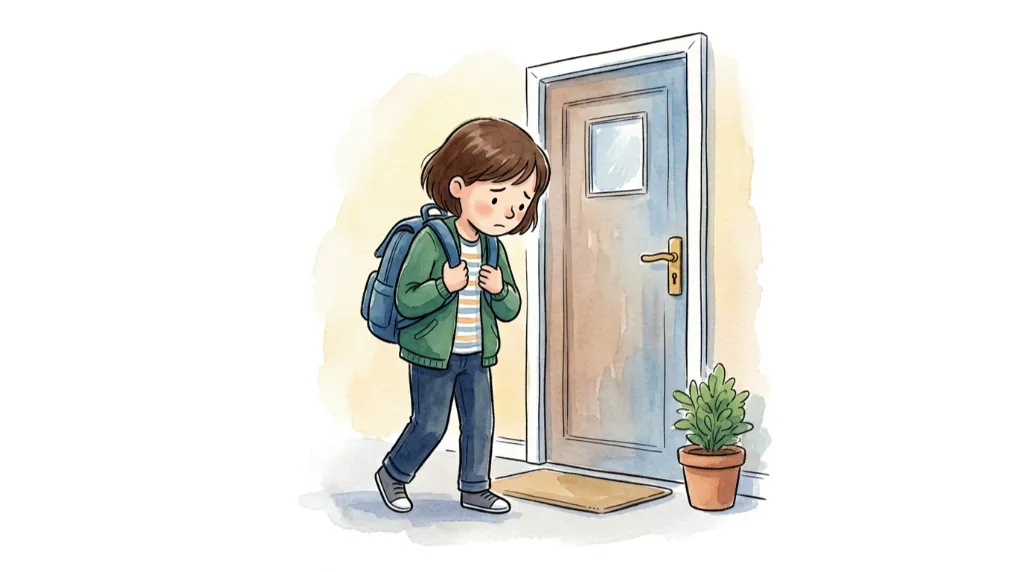
Emotionally Based School Avoidance (EBSA) is a term used to describe a situation where a child or young person has difficulty attending school, which turns into school refusal, due to emotional distress rather than purely behavioural defiance. Unlike truancy, where absence may be linked to seeking autonomy or avoiding rules, EBSA is usually driven by anxiety, worry, or emotional overwhelm.
Emotionally based school avoidance can affect children of any age, but is most commonly identified in primary- and secondary-school-aged children. Absence can range from partial (e.g., missing mornings) to full (not attending school for extended periods).
Why Many Children Experiencing EBSA are Neurodivergent?
Many children experiencing emotionally based school avoidance are neurodivergent because neurodivergence often brings heightened anxiety, sensory sensitivities, executive function differences, and social challenges. These factors make the typical school environment overwhelming, such as noisy classrooms, unpredictable schedules, social expectations, and academic pressures, leading to emotional distress and avoidance as a coping mechanism. Additionally, many neurodivergent children mask their differences at school, which causes exhaustion and burnout, further increasing the likelihood of EBSA.
Neurodivergence increases the risk of EBSA because school environments often overwhelm sensory, social, cognitive, and emotional capacities. When children cannot regulate or cope with these demands, avoiding school becomes a protective strategy.
If you are interested in learning how you can help your autistic child feel safe and supported in your own home,we have the right resource for you: A Parent’s Guide to Home Support for Autistic Children, written by our therapy team. Download it now for free.
The Link Between EBSA and Autism
Autistic students and children with special educational needs are more likely to experience emotionally based school avoidance because school environments often don’t meet the social, sensory, and emotional needs of a child. Autistic children can feel overwhelmed, anxious and distressed by the school setting itself, which drives avoidance behaviour. Yet, seeing individual concerns and planning around needs makes the biggest difference.
The Impact of Sensory Overload
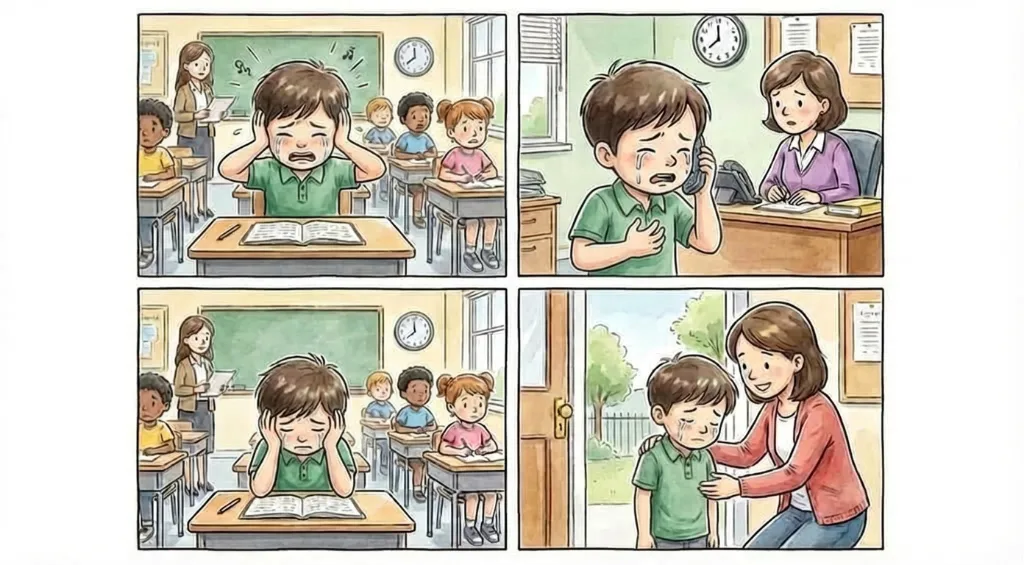
Autistic people can be hyper‑ or hypo‑sensitive to sensory input such as sounds, lights, textures, smells, and noise. Sensory overload occurs when the brain receives too much sensory information to process, leading to overwhelm, anxiety, shutdown, or meltdown. The lack of quiet spaces, coping strategies, and offering safe spaces also leads to school refusal, and if schools don’t adjust their classrooms, they won’t be able to act as powerful protective factors. NAS’ education report has found that sensory overload is one of the biggest issues autistic pupils cite in relation to school difficulty and absence, alongside transitions and social pressures.
You might be asking yourself why?
- School settings are sensory‑intensive: corridors, bells, noisy classrooms, bright fluorescent lighting, crowded dining halls and playgrounds are all common triggers.
- An autistic child’s brain may be significantly more sensitive or reactive than a neurotypical child’s, meaning ordinary school environments can feel threatening or unsafe.
- Over time, repeated exposure without mitigation can create anticipatory anxiety about school, contributing directly to EBSA.
Social Fatigue and Masking
Difficulties with social communication and interaction are core drivers of distress linked to EBSA. Autistic pupils often expend significant energy navigating social expectations, including interpreting nonspeaking cues, managing unstructured interactions, and adjusting to peer-group dynamics. This is taxing and can lead to social exhaustion, anxiety, deterioration of physical health and an emotional urge to avoid school.
While “masking” (sometimes called camouflaging) refers to suppressing natural autistic traits to fit social norms. Many autistic children do this at school: hiding stimming, forcing eye contact, mimicking peers, which research shows is linked to significant mental health costs such as anxiety, mental fatigue, and burnout. In an EBSA context, masking can mean a child appears to cope during the day but is internally overwhelmed and may later refuse school because the emotional effort required becomes unsustainable.
Transitions and Changes
The demands on autistic children are not just long‑term transitions (e.g., moving to secondary school) but also everyday transitions,such as leaving home, getting off transport, entering school buildings, moving between lessons, or shifting from structured to unstructured parts of the day. Guidance on functional analysis of EBSA highlights how even brief transitions can be anxiety triggers for vulnerable children.
Times of structural change, such as starting a new school year or moving from primary to secondary, are high‑risk for emotionally based school avoidance (EBSA), particularly for autistic children who may struggle with uncertainty and novelty.
The Link Between EBSA and ADHD
ADHD and autism are listed among developmental differences that can contribute to emotional regulation and social challenges associated with EBSA. ADHD can present several risk factors and for many parents, the turning point comes when they recognise that without the right reasonable adjustments, such as flexible routines, adapted teaching approaches, and supportive relationships, school can quickly become overwhelming.
Executive Function Challenges
Executive function refers to mental skills that manage attention, task‑planning, working memory, organisation, self‑regulation, and flexible thinking. These are critical for navigating school routines, transitioning between lessons, staying organised, and managing social rules.
In ADHD:
- Children often have persistent executive function impairments, and not simply a lack of effort.
- Trouble organising tasks, starting work, following multi‑step instructions, shifting attention between tasks, prioritising tasks, and managing time.
- Emotional self‑regulation (modulating frustration, handling failure, staying calm under stress) is frequently compromised.
These executive difficulties make structured school environments emotionally demanding and exhausting. When a child repeatedly experiences confusion, task overload or falls behind peers despite trying, it can contribute to anxiety about school and, over time, EBSA behaviours.
➡️ Put simply: difficulty with core cognitive control systems increases stress and reduces a child’s confidence in coping with school demands is a common driver of EBSA in ADHD.
Impulsivity and Conflict
ADHD’s clinical profile (per DSM criteria) includes impulsivity, meaning many children act quickly without fully filtering or moderating responses. In school settings, this can present as:
- Interrupting or difficulty waiting turns
- Emotional reactions that seem exaggerated
- Strains with peer norms and staff expectations
This impulsive emotional reactivity isn’t willful misbehaviour. It stems from ADHD’s neurodevelopmental profile. Over time, frequent misunderstandings or conflicts, even subtle ones, can sap emotional wellbeing and make school feel unsafe or unrewarding. This contributes to emotional distress and avoidance over time.
Heightened Sensitivity
Many children with ADHD have sensory processing challenges, being easily overwhelmed by noise, bright lights, crowded corridors, cut‑and‑paste classroom activity, etc. Symptoms include:
- Low tolerance for sensory overload (noisy lunchrooms, crowded hallways)
- Strong reactions to environmental stimuli
- Emotional hypersensitivity — feeling criticism or uncertainty intensely
These sensitivities overlap with difficulties in emotional regulation. When everyday school environments feel overwhelming or stressful, avoidance becomes a protective response, a hallmark of EBSA.
💡 A study even suggests sensory processing problems correlate significantly with ADHD traits, hinting that sensory sensitivity is part of the ADHD phenotype, not a separate behavioural problem.
Common Triggers of EBSA for Autistic and ADHD Pupils
Emotionally based school avoidance, as a complex, needs-led response to distress, rather than a behavioural choice, for autistic and ADHD pupils, its roots are most often found in the interaction between sensory overload, social pressure, and academic demands. When these pressures exceed a child’s capacity to cope, avoidance becomes a protective, self-regulating response, which is a way to reduce overwhelming anxiety and regain a sense of control.
Due to heightened environmental stimuli, such as busy corridors, loud classrooms, bright lighting, or unpredictable transitions, school attendance and the whole education system can feel unmanageable. For autistic young people, school life becomes cognitively demanding, physically and emotionally draining. Over time, repeated exposure to overwhelming sensory input conditions the brain to associate school with threat, making avoidance a logical and protective outcome. Alongside environmental factors, social pressures have an underestimated role in EBSA. School is a highly social environment, requiring constant interpretation of cues, navigation of relationships, and adaptation to group expectations. For autistic pupils and those with ADHD, impulsivity and emotional reactivity may lead to difficulties with peer relationships, fear of negative judgment, and experiences of exclusion or bullying as key contributors to school-based distress.
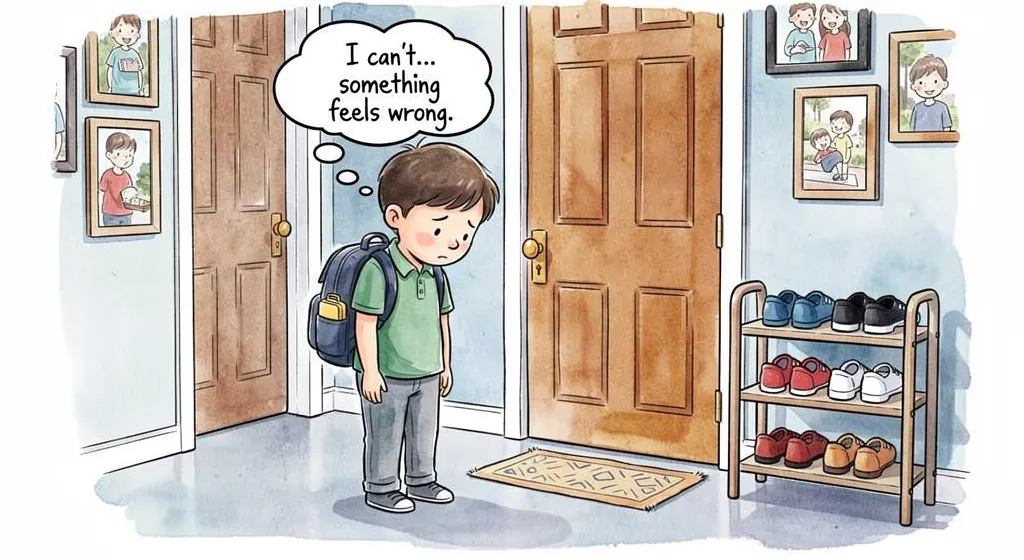
Academic demands form the third critical pillar in understanding EBSA, particularly when viewed through the lens of neurodivergence. The modern classroom places heavy demands on executive functioning skills, including attention, organisation, task initiation, and emotional regulation, all areas that can be more challenging for pupils with ADHD and autism. As common triggers, fear of failure, performance anxiety, and difficulty keeping pace with expectations can significantly impact self-esteem and increase emotional distress.
How EBSA Affects Neurodivergent Young People and Families
Intense anxiety, panic attacks, and even physical distress, such as headaches or stomach aches, linked to school attendance, can escalate over time into:
- Chronic anxiety and school-related trauma
- Emotional dysregulation (meltdowns, shutdowns, withdrawal)
- Loss of confidence and identity
- Difficulties engaging with learning altogether
In many cases, children mask their difficulties at school until they reach a point of collapse. One lived experience insight describes how a young person experienced a “catastrophic breakdown” after prolonged masking and unmet needs, ultimately requiring removal from mainstream education. But, the impact of EBSA extends far beyond the child, and it reshapes the entire family. EBSA is a challenging and emotional experience for both children and their families, often creating ongoing stress and uncertainty. Families frequently experience:
- Chronic stress and anxiety
- Feelings of guilt, helplessness, or being judged
- Emotional exhaustion from daily school-related distress
- The need to reduce work hours or stop working entirely
- Disrupted routines for siblings
- Increased financial pressure
As one parent on an online forum describes:
“Watching your child struggling… causes a rise in your own stress levels.”
Another parent describes the emotional overwhelm tied to school demands:
“When he feels behind… his brain just gets ‘full’.”
School‑Based Strategies for Supporting EBSA and Neurodiversity
EBSA cannot be addressed through isolated interventions. It requires a whole-school culture shift. Schools are encouraged to embed relational, child-centred approaches in which every member of staff understands EBSA and contributes to its support. There is still so much ignorance, and students would benefit from a neurodiverse-friendly classroom.
Supporting Children with EBSA and Neurodiversity
The earlier EBSA is recognised, the better the outcomes for the child. Support must be individualised, flexible, and co-produced with the child and family. This includes:
- Developing a personalised EBSA support plan
- Identifying a trusted adult or key worker in school
- Regularly reviewing and adapting support
The widely used UK Assess–Plan–Do–Review (APDR) cycle ensures that support evolves alongside the child’s needs.
Quality school-based strategies include:
- Providing predictable routines and clear structure
- Offering quiet or low-stimulation spaces
- Preparing pupils for transitions and changes
- Allowing flexible adjustments (e.g., reduced timetables)
EBSA is rarely about refusal. It is about distress
Emotionally Based School Avoidance (EBSA) is often misunderstood. At first glance, it can look like refusal – missed mornings, prolonged absences, or a child who simply will not walk through the school gates. But interpreting EBSA as defiance misses its core truth. EBSA is rarely about refusal. It is about distress. Distress does not always announce itself clearly. It can show up as stomach aches in the morning, tears before school, irritability, withdrawal, or exhaustion at the end of the day. Some children mask their difficulties, holding themselves together in the classroom only to collapse at home. Others reach a point where even the idea of school triggers panic. In these moments, avoidance is not a choice made lightly, but a response from a nervous system that feels overwhelmed and unsafe.
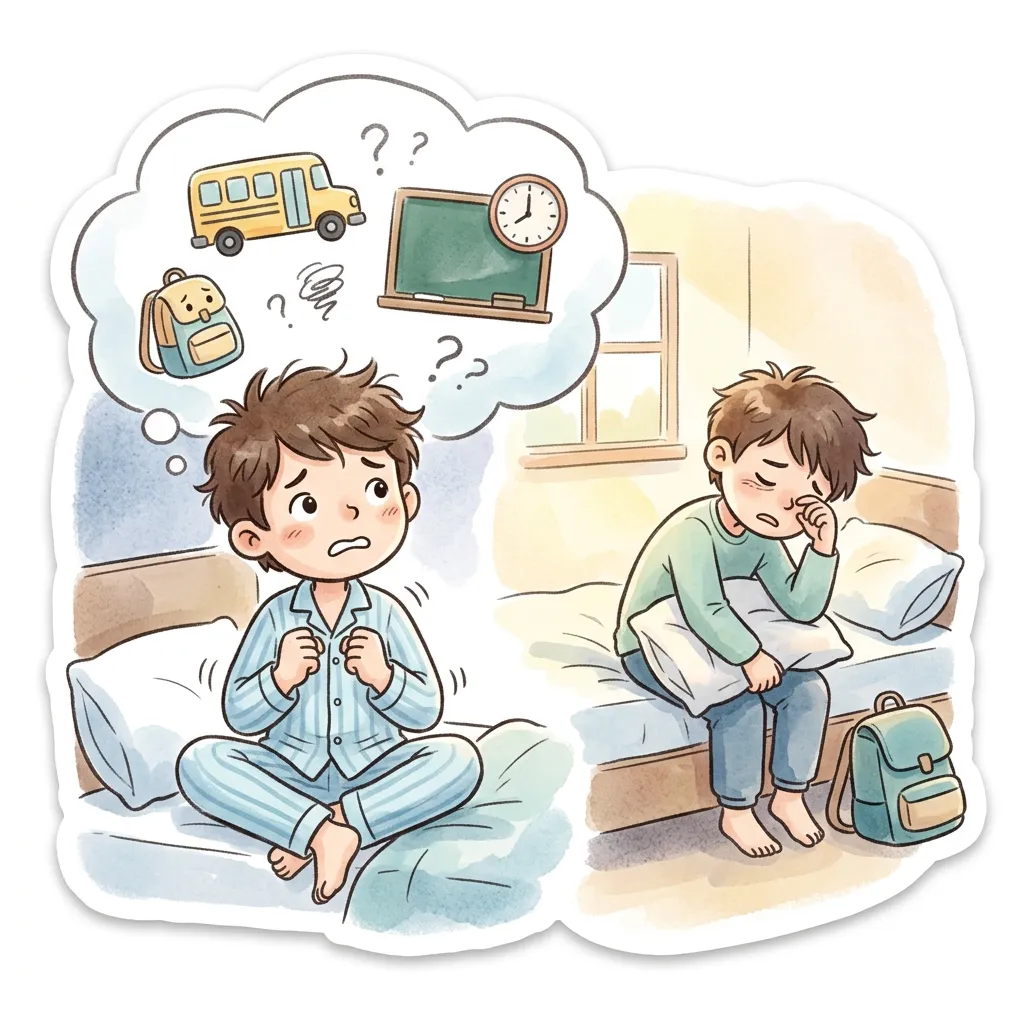
When we label EBSA as refusal, we risk responding in ways that increase the very distress we are trying to resolve. Children are not avoiding learning. They are avoiding the conditions in which learning currently takes place. When those conditions are met and environments become calmer, expectations become more flexible and relationships more secure, many children begin to re-engage. Not because they are forced to, but because they feel able to.
